
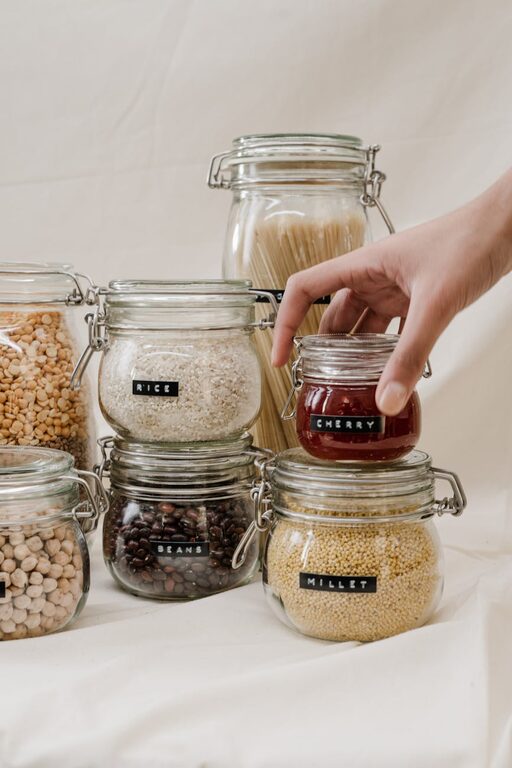
Planning meals from pantry staples is a smart and convenient way to create tasty dishes without a last-minute grocery run. With a well-stocked pantry, you can mix and match ingredients to whip up a variety of meals that suit your taste and schedule. Whether you’re aiming to save money, reduce waste, or simply enjoy hassle-free cooking, learning how to plan meals from pantry essentials can transform your kitchen routine.
Why Plan Meals From Pantry Staples?
Having a plan centered around pantry staples offers several advantages:
– Saves Time: No scrambling to buy missing ingredients.
– Reduces Food Waste: Using what you have limits spoilage.
– Saves Money: Bulk and non-perishable items often cost less.
– Encourages Creativity: Combining basics in new ways keeps meals interesting.
– Improves Nutrition: Thoughtful planning ensures balanced meals.
Step 1: Take Inventory of Your Pantry
Begin by assessing what you already have on hand. Common pantry staples include:
– Dry goods: rice, pasta, beans, lentils, flour, oats
– Canned goods: tomatoes, beans, vegetables, broth
– Spices and herbs: salt, pepper, garlic powder, dried oregano, cumin
– Oils and vinegars: olive oil, vegetable oil, apple cider vinegar
– Other basics: nut butters, nuts, seeds, canned fish, sauces (soy, hot sauce)
Make a list or spreadsheet with quantities to get a clear view of your options.
Step 2: Choose Your Meal Themes
Pick simple meal categories based on your pantry staples. Examples include:
– Grain bowls
– Soups and stews
– Pasta dishes
– Stir-fries
– Salads with beans or lentils
– Wraps or sandwiches
Choosing themes helps narrow down recipes and ensures variety.
Step 3: Combine Ingredients into Recipes
Start creating meals by mixing staples with fresh or frozen produce and proteins if available. Here’s how:
Example 1: Pantry Pasta
– Cook pasta from pantry.
– Sauté canned tomatoes with garlic, herbs, and olive oil.
– Add canned beans or tuna for protein.
– Toss everything together and top with any cheese or nuts you have.
Example 2: Rice and Bean Bowl
– Cook rice.
– Heat canned beans with spices like cumin and paprika.
– Add sautéed frozen vegetables or fresh salad greens.
– Drizzle with olive oil or dressing.
Example 3: Hearty Lentil Soup
– Combine lentils, canned tomatoes, broth, and spices.
– Add chopped onions, carrots, or other veggies.
– Simmer until tender and flavorful.
Step 4: Plan Your Weekly Meals
Using what you have:
– Map out 3–5 meals that make use of pantry staples.
– Use leftovers creatively (e.g., soup one day, rice bowl another).
– Supplement with fresh ingredients like vegetables or proteins as needed.
Keeping meals flexible lets you adjust to available produce or cravings.
Tips for Success
– Stock versatile spices: A few staples like garlic powder, chili flakes, and dried oregano can change whole dishes.
– Keep beans and grains varied: Having different types broadens your recipe range.
– Freeze bulk items: Freeze portions of cooked beans, rice, or sauces for quick meals.
– Label and organize: Clearly label pantry items and rotate older products to avoid waste.
– Prepare in advance: Cook grains or beans in bulk at the start of the week to save time.
Pantry Staples Shopping List
If starting from scratch, consider stocking these essentials:
– Long grain rice, pasta, quinoa
– Canned beans (black, chickpeas, kidney)
– Lentils (red, green)
– Canned tomatoes
– Broth or bouillon cubes
– Cooking oils (olive, vegetable)
– Basic spices (salt, pepper, garlic powder, chili flakes, dried herbs)
– Nut butters and nuts for snacks or recipes
– Flour and baking soda for baking and thickening
– Shelf-stable milk alternatives or powdered milk
Conclusion
By planning meals with pantry staples, you can enjoy nutritious, delicious dishes with minimal stress. Regular inventory checks, creative use of ingredients, and simple recipe categories will unlock a versatile kitchen that’s always ready to feed you. Next time you open your pantry, you’ll see it as a treasure trove of meal possibilities!
Happy cooking!