
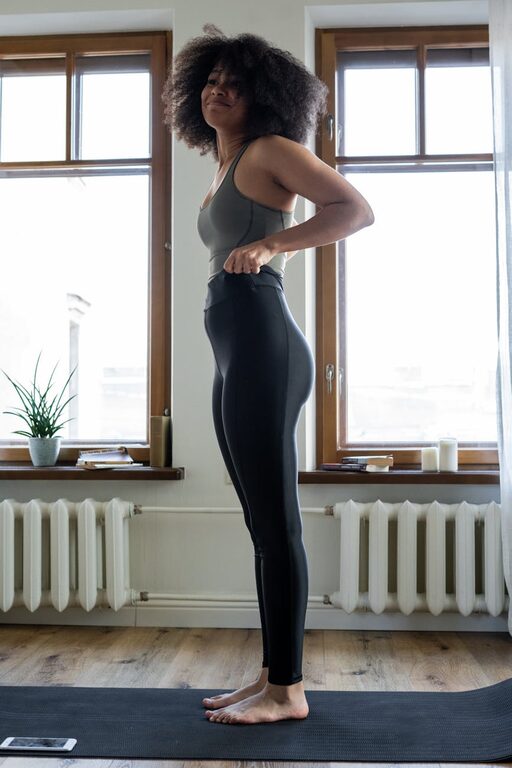
Stretching is a simple yet powerful way to boost your overall health and well-being. Whether you’re easing into a workout, recovering from a long day at your desk, or just looking to improve your mobility, stretching at home can be an excellent addition to your daily routine. This beginner’s guide will walk you through the benefits of stretching, provide easy-to-follow tips, and introduce some basic stretches anyone can try in the comfort of their own home.
Why Stretching Matters
Stretching helps lengthen your muscles and tendons, improving your flexibility and range of motion. Regular stretching can:
– Reduce muscle stiffness and tension
– Enhance circulation and blood flow
– Improve posture and alignment
– Lower the risk of injury during physical activity
– Relieve stress and promote relaxation
You don’t need a gym or fancy equipment to start stretching. Just a comfortable space and a few minutes are enough to begin.
How to Prepare for Stretching at Home
Before you start, it’s good to keep a few simple tips in mind for a safe and effective session:
1. Wear Comfortable Clothing
Choose clothes that allow free movement. Stretching in tight or restrictive clothing can limit your range of motion.
2. Warm Up Your Body
Though stretching can be done anytime, it’s best to warm up for 5–10 minutes with light activity such as walking in place, gentle jumping jacks, or arm circles. Warm muscles respond better to stretching and reduce injury risk.
3. Choose a Comfortable Space
Find a quiet, clutter-free spot where you can move freely. A yoga mat or soft rug can provide cushioning for floor stretches.
4. Breathe Deeply
Focus on slow, steady breaths as you stretch. Proper breathing helps your muscles relax and makes stretching more effective.
Types of Stretching You Can Do at Home
There are different stretching methods, but for beginners, these are the most common and useful:
Static Stretching
This involves holding a stretch position for a period, usually 15-30 seconds. It’s great for increasing flexibility and is commonly done post-workout or as a standalone routine.
Dynamic Stretching
Dynamic stretches are active movements you perform repeatedly, such as arm swings or leg lifts. They’re excellent for warming up before exercise.
Gentle Yoga Stretches
Yoga combines stretching with mindful breathing and balance. Incorporating basic yoga poses can enhance both your flexibility and relaxation.
Beginner-Friendly Stretching Routine
Here’s a simple routine that targets major muscle groups. Hold each static stretch for about 20-30 seconds and repeat 2-3 times if you like.
Neck Stretch
– Sit or stand tall.
– Slowly tilt your head to the right, bringing your ear toward your shoulder without lifting your shoulder.
– Hold and breathe deeply.
– Repeat on the left side.
Shoulder Stretch
– Bring your right arm across your chest.
– Use your left hand to gently press your right arm closer to your chest.
– Hold and feel the stretch in your shoulder.
– Switch arms.
Chest Opener
– Clasp your hands behind your back.
– Straighten your arms and lift your chest gently.
– Keep your shoulders relaxed and down.
– Hold the position, then release.
Side Stretch
– Stand with feet hip-width apart.
– Raise your right arm overhead.
– Lean to the left, feeling a stretch along your right side.
– Hold, then switch sides.
Seated Hamstring Stretch
– Sit on the floor with your legs extended straight.
– Reach toward your toes while keeping your back straight.
– Stop when you feel a comfortable stretch in your hamstrings.
– Hold and relax.
Quadriceps Stretch
– Stand on your left leg.
– Pull your right heel toward your buttock with your right hand.
– Keep your knees close together.
– Hold for the stretch in the front of your thigh.
– Switch legs.
Calf Stretch
– Stand facing a wall with your hands pressed against it.
– Step your right foot back, keeping it flat on the floor and your leg straight.
– Lean into the wall until you feel the stretch in your calf.
– Switch legs.
Tips for Consistency and Safety
– Start slow: Don’t push yourself into painful positions. Stretching should feel good, not uncomfortable.
– Be consistent: Aim for at least 3-4 times per week for noticeable improvements.
– Stay hydrated: Drinking water can help your muscles stay flexible.
– Listen to your body: If you feel sharp or intense pain, ease off immediately.
– Combine with other activities: Stretching complements walking, strength exercises, and yoga perfectly.
Final Thoughts
Starting a home stretching routine is easy and rewarding. By dedicating just a few minutes each day, you can enjoy increased flexibility, reduced muscle tension, and enhanced relaxation. Remember, the key is gentle movement, steady breathing, and consistency. So grab a cozy spot, put on some comfortable clothes, and enjoy the simple pleasure of stretching your body.
Happy stretching!